In the process of designing and manufacturing intelligent equipment, unmanned equipment, and even new energy engineering machinery, construction machinery manufacturing enterprises should pay more attention to the actual needs of engineering use, construction conditions, the current management mode and level of domestic construction enterprises, and corresponding characteristics. They should design and consider the applicability of equipment in a targeted manner, and cannot simply follow the development path of imitation car companies.
For example, electric loaders used in logistics transportation work continuously for a long time, and the overall cost of use is much lower than that of construction environments with intermittent operations. The logistics industry can achieve cost recovery in about 3 years, while the construction industry finds it difficult to do so. According to the current level of battery technology and mechanical strength, electric loaders may have to replace their battery packs in about 5 years, which means they will also face the pressure of replacing batteries and increasing costs. After calculation, whether electric construction machinery has a real cost advantage for construction enterprises still needs to be considered comprehensively based on various factors.
The operating environment of construction machinery is complex, and the load characteristics cannot be uniform, which also determines that the development path of electrification of construction machinery must be different from passenger vehicles and other specialized vehicles.
Electric loaders, excavators, dump trucks, and concrete mixer trucks all have varying degrees of adaptability issues to their operating conditions and environments.
Not all construction machinery is suitable for pure electric modification
From the perspective of energy transfer, the energy transfer path of traditional loaders is from the diesel engine to the hydraulic torque converter and then to the reducer. After that, one path drives the hydraulic pump to provide power for the operating system, and the other path drives the walking system. Due to the influence of internal combustion engine efficiency, the overall energy efficiency of the machine is relatively low. After replacing internal combustion engines with electric motors, although the energy efficiency of hydraulic systems is still relatively low, the impact on system energy efficiency is not significant due to the short operating hours and low power consumption. However, after removing the hydraulic torque converter from the walking system, energy transmission mainly relies on the electric motor and reducer, and the operating time and power ratio are relatively large. The energy efficiency reaches about 70%, which is both energy-saving and carbon reducing. At the same time, the battery cost can be recovered in a short period of time, so electric vehicles have been widely recognized in the market.
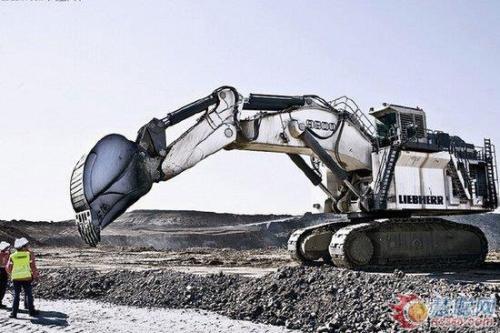
Looking at excavators again, the traditional energy flow is driven by an internal combustion engine to drive a hydraulic pump, which then drives the operating mechanism through a valve control system. Due to the influence of the internal combustion engine, the overall energy efficiency of the excavator is less than 15%, and the energy efficiency of the hydraulic system is less than 30%. After electrification, the energy efficiency of the power source has increased to 90%, but due to the influence of the hydraulic system, the overall energy efficiency of the machine is still only about 30%, resulting in 70% of the battery energy being wasted. Although the battery capacity has increased significantly, due to low efficiency, the operating hours cannot meet user needs, and the battery cost accounts for about 40% of the entire machine, the investment return period is relatively long, making it difficult for electric excavators to be quickly promoted and applied like electric loaders.
Through summary, it is found that the energy efficiency of the hydraulic system of electric loaders is still relatively low, which is the focus of improvement in the next step. However, because this product is mainly for walking, it can quickly gain market recognition. But liquid. For construction machinery that focuses on homework, such as excavators, the core issue is how to improve the energy efficiency of the hydraulic system. This is a challenge faced by the entire industry.